PSALM 18:2
The Lord is my rock, my fortress and my deliverer;
my God is my rock, in whom I take refuge,
my shield and the horn of my salvation, my stronghold.
The Lord is my rock, my fortress and my deliverer;
my God is my rock, in whom I take refuge,
my shield and the horn of my salvation, my stronghold.
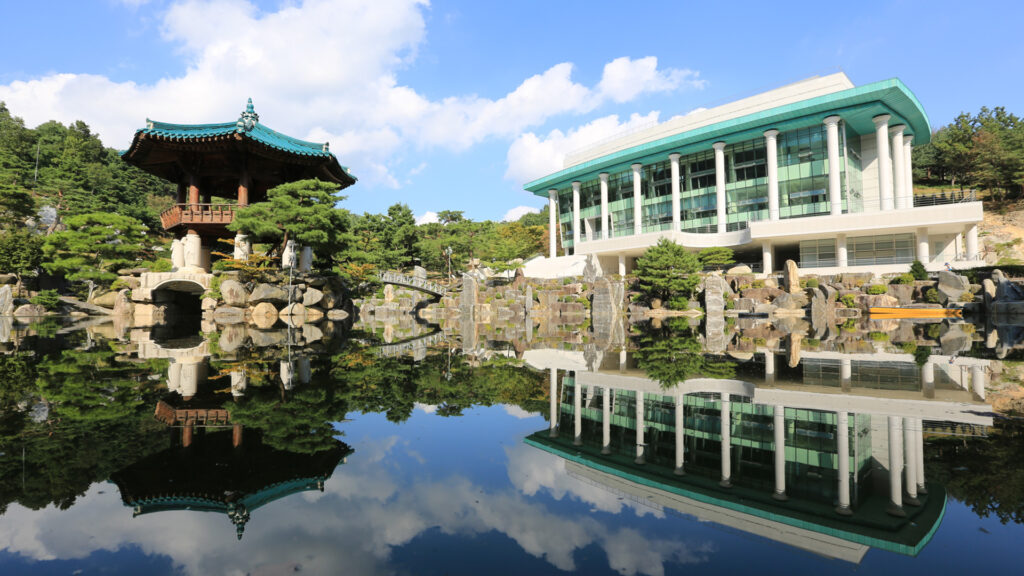
Long before the written Word, God spoke through creation. They sky, the mountains, the oceans, every part of nature declares His power and pressence. Wolmyeongdong was created to speak to people through His creation. More than just a scenic place, it stands as a living testimony of God’s work in our time.
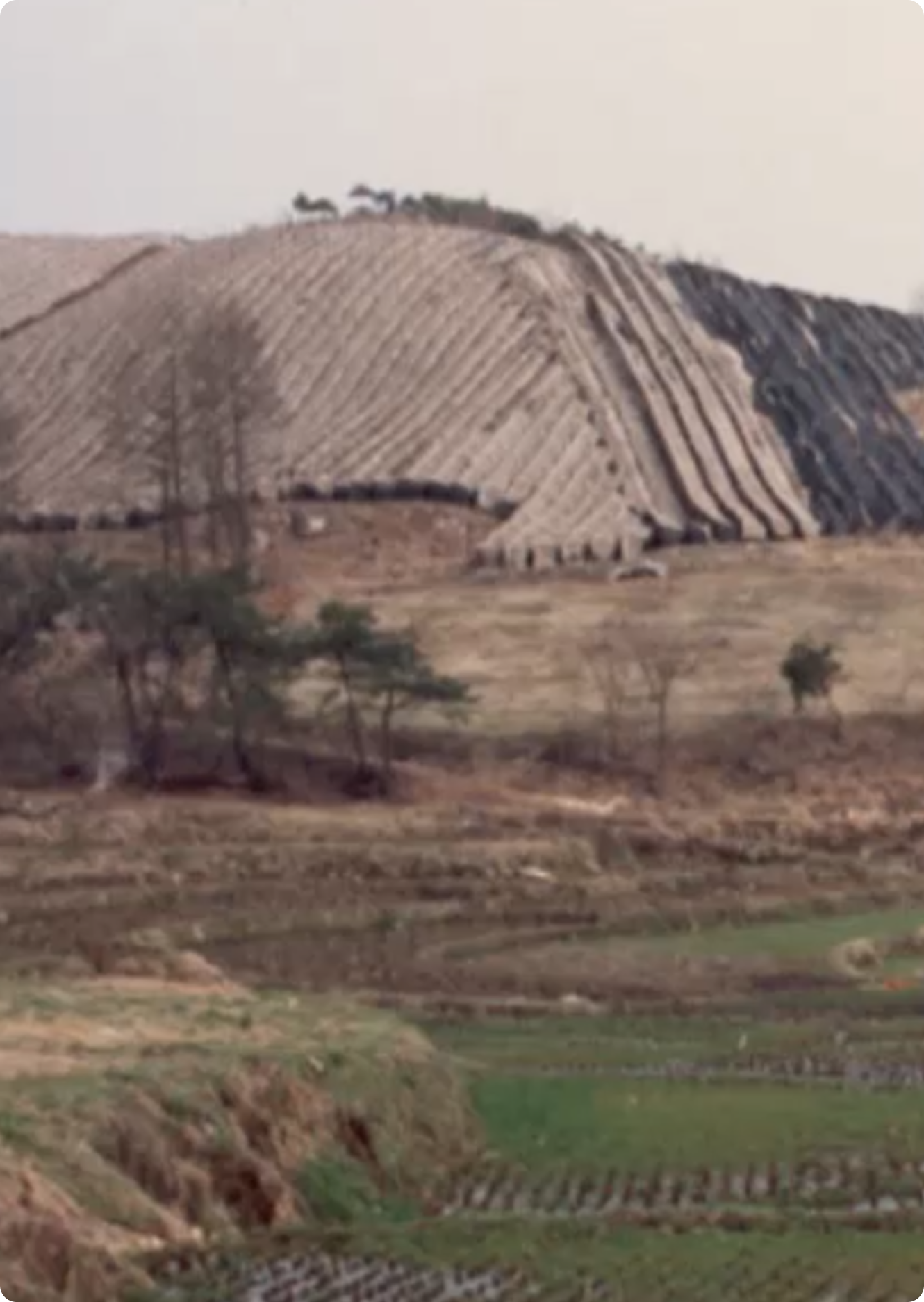
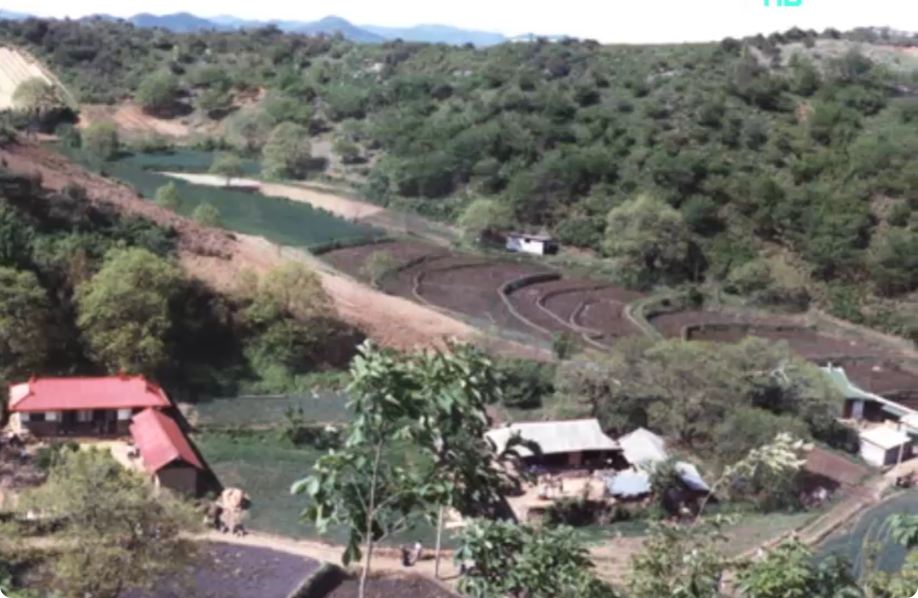
Nestled in Geumsan, west of Seoul, Wolmyeongdong is surrounded by rolling valleys and sloping hills. Located in a mountainous region with elevated terrain, the area posed significant challenges for development. Winters can dip as low as -11 degree celsius, while summers rise to a sweltering 30 degree celsius, conditions that create an ideal environment for Geumsan’s most renowned export: ginseng.
Before the 1990s, most villagers were ginseng farmers. At its peak, ginseng farming was so profitable that some were able to build considerable wealth. However, over time, demand for Geumsan’s ginseng declined due to decreasing consumption and the rise of more affordable alternatives.
Consequently, Geumsan grew increasingly desolate as young adults left behind for farming was so profitable that some were able to build considerable wealth. However, overtime, demand for Geumsan’s ginseng declined due to decreasing consumption and the rise of more affordable alternatives.
By the 1970s, only three households remained in Wolmyeongdong. Due to the mountainous terrain, the area has no naturel water source, making life even more difficult. Pastor Jung often looked upon his hometown with deep sorrow and despair.
He scoffed at the untamed wilderness. How could anyone possibly spread the gospel in such place? Compared to this barren valley, the thriving city of Seoul seemed a far better place to preach and minister.
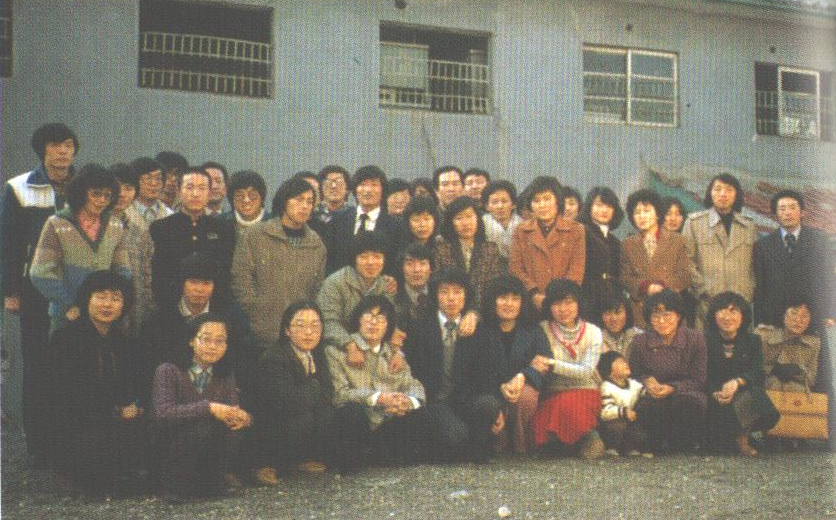
Pastor Jung eventually went to Seoul, the Capital of Korea, to begin his mission work. Over nine years, he gathered a sizable following. Wherever he preached, crowds would gather so large that the hails could no longer contain them. People filled with every nook and cranny, even climbing atop cabinets just to hear Pastor Jung’s passionate preaching of the Word.
As the crowds grew, sermons moved to public spaces, but these proved inconvenient. The congregation couldn’t worship comfortably, as the spaces weren’t theirs. It was then that Pastor Jung realized they needed a larger place of their own, somewhere more fitting, where more people could hear God’s Word in comfort.
He prayed earnestly, asking God where such a space could be found. In response, God revealed his answer through an inspiration, his hometown. They very land that had once suffocated him, bleak and dismal, filled with memories of freezing winters and stifling summers.
GOD’S NATUREL TEMPLE
It wasn’t that Pastor Jung was unwilling, but he had always envisioned a traditional church building. Yet, God led him back to the open, barren land of his hometown. The villagers mocked him, laughing at his dream to develop such desolate ground. Despite their doubts and his own uncertainties, Pastor Jung faithfully followed his inspiration. In 1991,
he officialy began the work that would become Wolmyeongdong.
Of course, he couldn’t preach on the land as it was. The area needed to be developed and beautified to accommodate crowds and bring glory to God. His first step was to begin acquiring the land.
Land had to be purchased bit by bit from smallholders, often through years of patient conversation, prayer, and service. There was no wealth, no backing, only a deep conviction that this was God’s Will.

The vast expanse of Wolmyeongdong did not belong to Pastor Jung alone; different parcels were owned by various villagers, some of whom had lived there for decades. Guided by God, Pastor Jung patiently approached each owner to ask, persuade, and sometimes cajole them into selling their land. While some negotiated willingly, others were more resistant. Certain parcels took over 20 years for Pastor Jung to acquire, but his perseverance never wavered. Such was his dedication to fulfilling the vision God had given him, a naturel temple for God.
At the same time, Pastor Jung began developing the small plots he already owned in Wolmyeongdong. He drew inspiration from nature itself. As Psalm 19:1 declares,
“The heaven declares the glory of God; the skies proclaim the work of his hands.” The beauty and depth of God’s creations are unparalleled: the rocks that form the earth’s foundation, the trees that have witnessed the tides of history. and the mountains standing majestically over the land.
Inspired by this, Pastor Jung envisioned wolmyeongdong as a living museum of God’s creation, designed by god, inspired by the holy spirit. A natural temple where God could dwell. It would also be a place for people to gather and marvel at His masterpieces. Central to this vision, rocks would form the foundation of Wolmyeongdong. Why rocks? Because God is our rock, the firm foundation upon whom we rest.
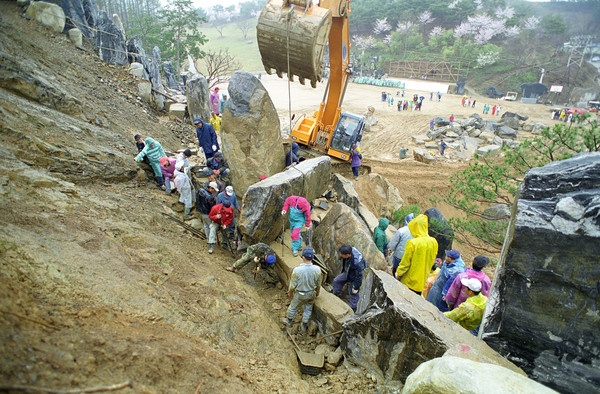
The construction was never easy. For example, the Ambition Masterpiece, the centerpiece of Wolmyeongdong collapsed five times before it was finally successfully erected on the sixth attempt. This taught Pastor Jung the true meaning of perseverance, reflecting the spirit of Jesus even in the face of adversity.
“Though the rocks may fall, my heart will not shake.” Jung Myung Seok
FROM A DESOLATE VALLEY TO GOD’S NATUREL TEMPLE
Wolmyeongdong was painstakingly build with God. Each rock and tree was meticulously planned and carefully placed, in the process of planning and building this temple, Pastor Jung had a power realization. Just like the rocks and trees, we are wonderfully, and fearfully, made. Like the rocks and trees were made with love, so we too, need to love lives. To remember this realization, he carved onto the last stone placed in the Ambition Masterpiece, love lives.